

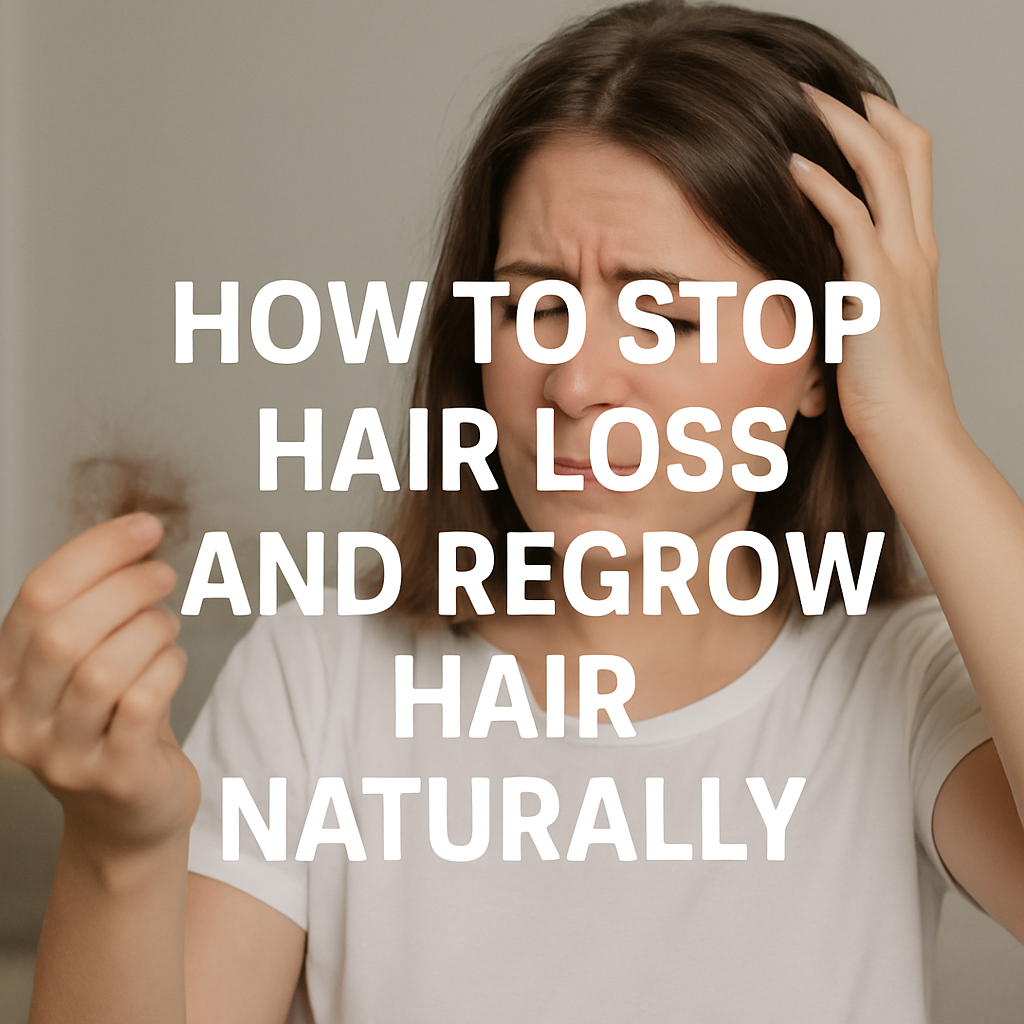
Hair has a strong connection to confidence and identity. It can be upsetting to lose it, whether gradually or abruptly, as it impacts not only one’s look but also one’s emotional health. Despite the fact that both men and women experience hair loss, many people feel helpless while attempting to manage it. The good news? It is often possible to naturally decrease, stop, or even reverse hair loss.
Stress, poor diet, modern lifestyles, and environmental factors all play a major role in hair thinning and loss. It is worthwhile to investigate natural cures prior to resorting to costly medical treatments or invasive procedures. These methods support general health in addition to being kind on the scalp. Let’s examine the best, most scientifically supported natural strategies for halting hair loss and promoting regeneration.
1. Recognise the Cause
Finding the underlying reason of hair loss is essential before starting any hair recovery journey. Genetics (such as male or female pattern baldness), hormonal imbalances, dietary inadequacies, long-term stress, harsh hair products, or scalp infections are some of the causes of hair loss.
The most effective natural treatments are those that are customised to address the root cause. For instance, dietary modifications and supplements will be more effective for someone with iron deficiency-related hair loss than for someone with androgenetic alopecia, who may require hormonal balance. Start by assessing your stress levels, recent ailments, habits, and way of life. When in doubt, get medical advice to rule out problems such as autoimmune diseases or thyroid abnormalities.
2. Take Care of Your Hair From Within
Keratin is a protein that makes up hair, and like the rest of your body, it depends on nutrition to survive. Hair quality can be significantly enhanced and hair loss can be decreased with a diet high in whole, unprocessed foods.
Make sure you incorporate the following nutrients:
Eggs, nuts, and seeds contain biotin (Vitamin B7), which is necessary for healthy hair.
Iron: Hair loss is frequently caused by low iron levels. Increase consumption of red meat, spinach, and legumes.
Zinc: Aids in the development and repair of tissue. Lentils, cashews, and pumpkin seeds are good sources.
The best source of vitamin D is sunlight, however fortified meals and fatty fish can also be beneficial.
Protein: Since hair is composed of protein, it’s important to have enough of it from lean meats, lentils, or tofu.
Flaxseeds, walnuts, and salmon are good sources of omega-3 fatty acids, which help keep the scalp healthy and avoid dryness.
In addition to promoting hair growth, a diet high in nutrients can eventually result in thicker, glossier hair.
3. Give Up Using Cruel Hair Products
Unbelievably many hair products contain ingredients that are more detrimental than beneficial. Alcohols, sulphates, parabens, and artificial perfumes can deplete your scalp of its natural oils, aggravate skin, and weaken hair follicles.
Make the switch to sulfate-free, natural shampoos and conditioners that contain tea tree oil, coconut oil, argan oil, or aloe vera. These promote healthy growth and soothe the scalp in addition to providing a mild wash. For most people, shampooing their hair two to three times a week is enough to prevent dryness and breakage.
Don’t use heat styling every day either. Extreme heat weakens the hair shaft and increases its susceptibility to breaking. If you must style with heat, apply heat protectant sprays and, if at all feasible, let your hair air dry.
4. Give Your Scalp the Time and Care It Needs
The scalp is where hair health begins. For hair to flourish, your scalp must be nurtured, just as nutritious soil is necessary for plants to develop. Regular scalp massages are a good method to stimulate dormant follicles and increase circulation.
Spend five to ten minutes a day using your fingertips—not your nails—in light, circular strokes. Combine this with organic oils that are known to promote hair growth:
Coconut oil: Antimicrobial and incredibly nourishing.
Castor oil: Increases blood flow to the scalp and is high in ricinoleic acid.
Research indicates that rosemary oil can stimulate new hair development just as well as minoxidil, a popular therapy for hair restoration.
Peppermint oil: Promotes blood flow and gives off a cool, revitalising sensation.
To prevent irritation, always combine essential oils with a carrier oil, such as almond or jojoba.
5. Naturally Lower Stress
Stress and hair loss are directly related to one another. Things like telogen effluvium, a stress-induced hair loss condition, can cause a lot of hair to come out all at once. Additionally, long-term anxiety can throw off the hormone balance, which can lead to hair loss.
Include stress-reduction techniques in your everyday routine:
Engage in regular exercise.
Do yoga or meditation.
To prevent burnout, take pauses while working.
Take up activities and spend time with your loved ones.
Over time, even ten minutes a day of mindfulness or deep breathing can have a big impact on the health of your hair.
6. Examine Ayurvedic and Herbal Treatments
Herbal and Ayurvedic remedies have been used for ages to naturally treat hair loss. When used regularly, these tried-and-true methods can be just as successful as store-bought ones.
Among the well-liked choices are:
Indian gooseberry, or amla: Amla, which is high in antioxidants and vitamin C, fortifies hair and encourages growth.
Bhringraj: Often referred to as the “king of herbs” for hair, it prevents premature greying and revitalises hair follicles.
Fenugreek (Methi): This herb nourishes the scalp and lessens dandruff when it is soaked overnight and ground into a paste.
Aloe Vera: Offers intense hydration and reduces inflammation of the scalp.
For weekly treatments, you can use pre-made Ayurvedic oils or make your own DIY hair masks.
7. Hair Health and Hydration
Drinking adequate water is important for hair development, even though it may seem simple. Brittle hair, a dry scalp, and slow follicle function can all result from dehydration. Try to consume two to three litres per day, or more if you live in a hot area or engage in physical activity.
It also helps to include foods high in water, such as leafy greens, oranges, cucumbers, and melons. Keep in mind that your scalp requires the same amount of moisture as your face because it is skin.
8. Steer clear of tight hairstyles
A condition known as traction alopecia, which is a type of hair loss brought on by strain on the hair shaft, can result from repeatedly pulling your hair back tightly into braids, buns, or ponytails. If left untreated, this strain destroys hair follicles over time and can result in irreversible hair loss.
Choose more relaxed haircuts. As often as you can, especially when you’re sleeping, let your hair down. To cut down on friction and breakage during the night, use pillowcases made of silk or satin.
9. Make Use of Natural Hair Masks Every week
Regular use of do-it-yourself hair masks can yield amazing results. They nourish the scalp and follicles immediately in addition to conditioning your hair.
Here are some recipes for natural masks:
A banana and honey mask helps to retain moisture and soften hair.
Protein-rich yoghurt and egg mask: perfect for fortification.
Fatty acids and hydration are provided by an avocado and olive oil mask.
Sulphur, which is present in onion juice mask, promotes collagen and aids in regrowth; use with caution because of its potent scent.
After applying your selected mask to the scalp and hair for 30 to 60 minutes, rinse with a mild shampoo.
10. Track Patterns of Hair Loss
You might find trends and reasons for your hair loss by recording it in a journal. Take note of dietary, lifestyle, sleep, and stress-related changes. You’ll be able to change your course more quickly if you observe more shedding following a particular shampoo, dietary adjustment, or stressful event.
See a dermatologist if natural treatments don’t work within a few months or if your hair loss is sudden or uneven. Hair loss can occasionally be an indication of a more serious health problem that requires medical attention.
11. Be Consistent and Patient
Results from natural therapies don’t happen right away. Hair grows in cycles, and it may take three to six months of regular maintenance to see obvious changes. Steer clear of making too many product or treatment changes as this might further strain the scalp.
Enjoy the little victories, like less hair on your comb, baby hairs developing along your hairline, and better texture and shine. All of them indicate that your natural regimen is effective.
12. Accept the Trip
It can be emotionally taxing to deal with hair loss, but it’s crucial to keep in mind that you’re not alone. The same thing happens to millions of others, and many of them find success with lifestyle modifications and natural therapies.
Make an effort to change your mindset from “fixing” your hair to “nurturing” it. Your hair will more closely reflect that inner balance the more you take care of your general health through proper nutrition, rest, water, and mindfulness.
Conclusion: Nature Is the Expert
It takes more than just applying oils or taking vitamins to stop hair loss and promote natural hair growth. Understanding your body, taking good care of your scalp, and practicing self-compassion are all part of this holistic journey.
Numerous resources have been made available by nature to promote healthy hair, including food, sunlight, oils, and herbs. You may reclaim not only your hair but also the self-assurance and happiness that come with feeling your best with time and a regular, caring routine.