

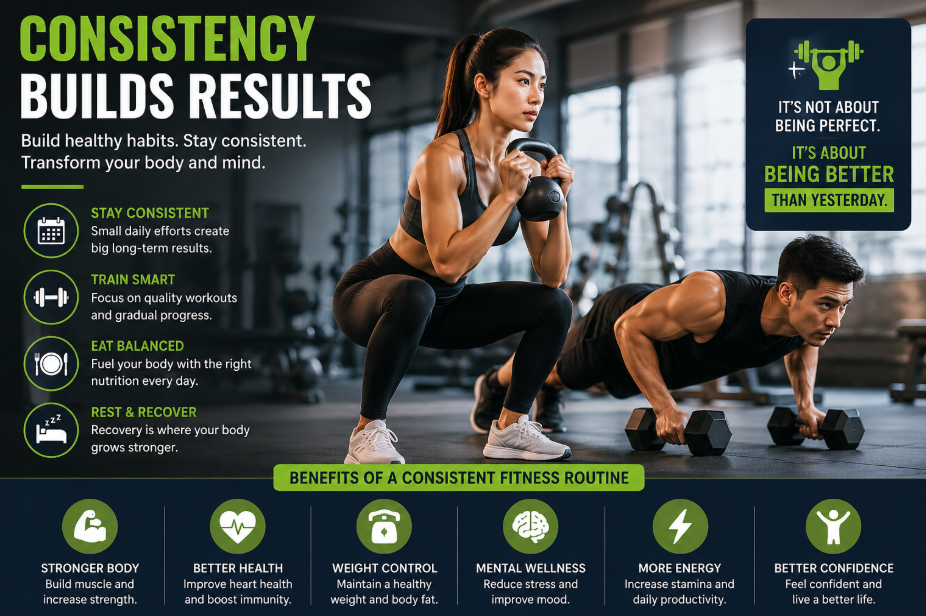
Building a healthy body is not about chasing extreme workouts for a few days before giving up entirely. Real fitness progress comes from consistency, discipline, and sustainable habits that can be maintained over time. Many beginners enter the fitness world believing they need intense daily workouts, strict diets, and unrealistic routines to see results quickly. In reality, long-term success is usually achieved through balance and consistency rather than temporary motivation.
Modern lifestyles have changed significantly over the past decade. People spend more time sitting at desks, using digital devices, and managing stressful schedules that often leave little room for physical activity. At the same time, online platforms such as slot gacor and other digital entertainment services continue to dominate leisure activities, making it even more important for individuals to create intentional fitness habits that support long-term health and physical well-being.
Fitness experts consistently emphasize that small daily improvements are more effective than occasional bursts of extreme effort.
The Biggest Mistake Most Beginners Make
One of the most common mistakes in fitness is starting too aggressively. Many people begin their journey with unrealistic expectations and attempt to completely transform their lifestyle overnight.
This often includes:
- Training seven days a week
- Following extremely restrictive diets
- Performing advanced exercises too early
- Ignoring recovery and sleep
- Expecting rapid physical changes
While motivation may feel strong initially, burnout usually follows quickly. The body and mind both require time to adapt to new routines.
Sustainable fitness is built gradually through manageable habits that become part of everyday life.
Why Consistency Produces Better Results
Consistency allows the body to adapt naturally to exercise and nutrition changes over time. Repeated healthy behaviors create long-term physiological improvements that temporary efforts cannot provide.
When people exercise consistently, the body gradually improves:
- Muscle strength
- Cardiovascular endurance
- Flexibility
- Metabolism
- Recovery efficiency
- Overall energy levels
These improvements compound over weeks, months, and years.
Even moderate workouts performed regularly are often more effective than occasional extreme sessions followed by long periods of inactivity.
Building a Sustainable Workout Routine
A sustainable workout plan should fit realistically within a person’s daily schedule. The best fitness routine is not necessarily the hardest one, but the one that can be maintained consistently.
Important elements of sustainable training include:
- Realistic workout frequency
- Proper recovery time
- Enjoyable activities
- Balanced intensity
- Gradual progression
For beginners, three to four quality workouts per week are often enough to produce noticeable progress.
Fitness should enhance life rather than create unnecessary stress or exhaustion.
The Role of Nutrition in Fitness Success
Exercise alone is not enough to achieve optimal health and physical performance. Nutrition plays a critical role in energy levels, muscle recovery, body composition, and long-term wellness.
Balanced nutrition typically includes:
- Lean protein sources
- Healthy fats
- Complex carbohydrates
- Fruits and vegetables
- Adequate hydration
Crash diets and extreme calorie restriction often lead to temporary results followed by rebound weight gain and metabolic issues.
Instead of focusing on short-term dieting trends, successful individuals develop healthier eating habits they can maintain permanently.
Recovery Is Just as Important as Training
Many people underestimate the importance of recovery in fitness progress. Muscles grow and repair during recovery periods, not during the workout itself.
Without proper recovery, individuals may experience:
- Fatigue
- Increased injury risk
- Reduced performance
- Mental burnout
- Hormonal imbalance
Good recovery habits include:
- Sufficient sleep
- Hydration
- Stretching
- Rest days
- Stress management
Professional athletes prioritize recovery just as seriously as training because they understand its importance for long-term performance.
Mental Health Benefits of Regular Exercise
Fitness is not only about physical appearance. Regular exercise has powerful effects on mental health and emotional well-being.
Physical activity helps reduce:
- Stress
- Anxiety
- Depression symptoms
- Mental fatigue
Exercise also improves:
- Confidence
- Mood
- Focus
- Sleep quality
- Emotional resilience
Many people notice significant mental improvements long before visible physical transformations occur.
This psychological benefit is one reason why consistent exercise habits are so valuable for overall quality of life.
Strength Training Is Important for Everyone
Some people mistakenly believe strength training is only for bodybuilders or athletes. In reality, resistance training provides benefits for individuals of all ages and fitness levels.
Strength training helps improve:
- Bone density
- Muscle preservation
- Joint stability
- Posture
- Metabolic health
As people age, maintaining muscle mass becomes increasingly important for mobility and long-term independence.
Even simple bodyweight exercises can significantly improve strength and physical function over time.
Cardio and Heart Health
Cardiovascular exercise remains one of the most important components of overall fitness.
Activities such as:
- Walking
- Running
- Cycling
- Swimming
- Rowing
help strengthen the heart and improve circulation.
Regular cardio training may reduce the risk of:
- Heart disease
- High blood pressure
- Diabetes
- Obesity
Cardio workouts also improve stamina and daily energy levels.
The key is finding enjoyable activities that encourage long-term consistency rather than temporary motivation.
Setting Realistic Fitness Goals
One reason many people quit fitness programs is unrealistic expectations.
Social media often promotes exaggerated transformation stories that create unhealthy pressure and unrealistic standards.
Healthy fitness goals should focus on:
- Improved energy
- Better mobility
- Increased strength
- Long-term wellness
- Sustainable progress
Visible physical changes take time, and every individual progresses differently based on genetics, lifestyle, age, and consistency.
Patience is essential in any successful fitness journey.
The Importance of Lifestyle Balance
Fitness should support a balanced and enjoyable lifestyle rather than dominate every aspect of daily life.
People who maintain long-term health habits usually understand the importance of moderation and flexibility.
This includes:
- Enjoying occasional treats
- Taking rest days
- Managing stress
- Maintaining social connections
- Avoiding perfectionism
Extreme approaches are rarely sustainable over long periods.
A balanced mindset allows individuals to stay consistent without feeling overwhelmed or restricted.
Technology and Modern Fitness Trends
Technology has changed the fitness industry significantly in recent years.
People now use:
- Fitness tracking apps
- Smart watches
- Online workout programs
- Virtual coaching
- AI-powered training systems
These tools help users monitor progress and stay motivated more effectively.
However, technology should support healthy habits rather than create unhealthy obsession or comparison with others.
Fitness remains a personal journey focused on long-term well-being rather than short-term perfection.
Creating Habits That Last
The most successful fitness transformations are usually built on simple daily habits repeated consistently over time.
Examples include:
- Walking regularly
- Drinking enough water
- Sleeping consistently
- Exercising several times weekly
- Preparing balanced meals
Small improvements performed consistently often produce massive long-term results.
Instead of searching for shortcuts or extreme programs, individuals who prioritize sustainability tend to achieve healthier and more lasting outcomes in both physical fitness and overall wellness.